
Boroondara Life came to visit IPC recently. Check out our feature on their Meet The Locals page here.
Boroondara Life came to visit IPC recently. Check out our feature on their Meet The Locals page here.
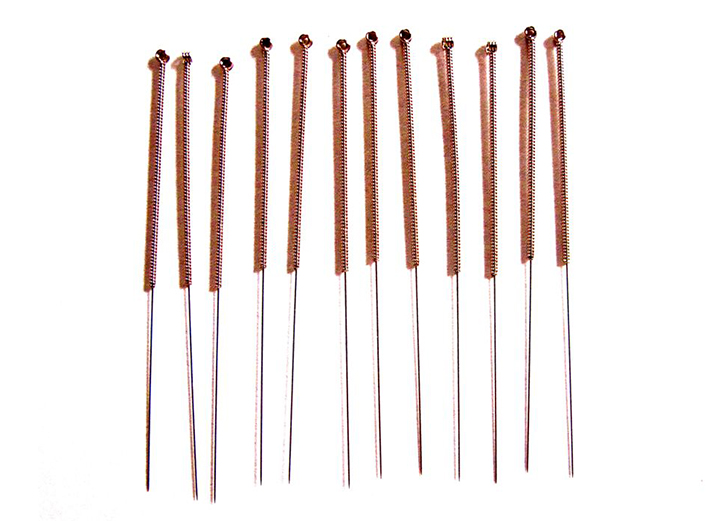
Image from The Chalkboard
Dry needling is a technique used by health practitioners to alleviate pain caused from trigger points. Trigger points are found in muscles and are usually painful with direct pressure. For example, if you run your fingers along your leg you may be able to feel tender or taut bands of muscle. Trigger points can develop gradually over time or after an acute injury such as an ankle sprain.
Dry needling is done by inserting a thin needle (similar to an acupuncture needle) into the muscle’s trigger point. This isn’t as painful as it sounds! You will often experience a muscle twitch and a short lived ‘dull’ aching or relaxation of the muscle. Dry needling works by relieving muscle tension and improving the muscle function and range of motion.
One of the best things about the technique is that the benefits are experienced almost immediately. Dry needling can be used as an individual treatment or in conjunction with other therapies. We have found common conditions such as plantar fasciitis, shin splints, forefoot pain and ankle sprains have benefited from the treatment.
If you are experiencing any foot or leg pain or generally suffer with sore muscles, dry needling may just be for you. Contact us to book an appointment or for further information.
When your muscles aren’t working efficiently or movement is painful, you cannot perform at your best. Let us help you put your best foot forward!
Michelle

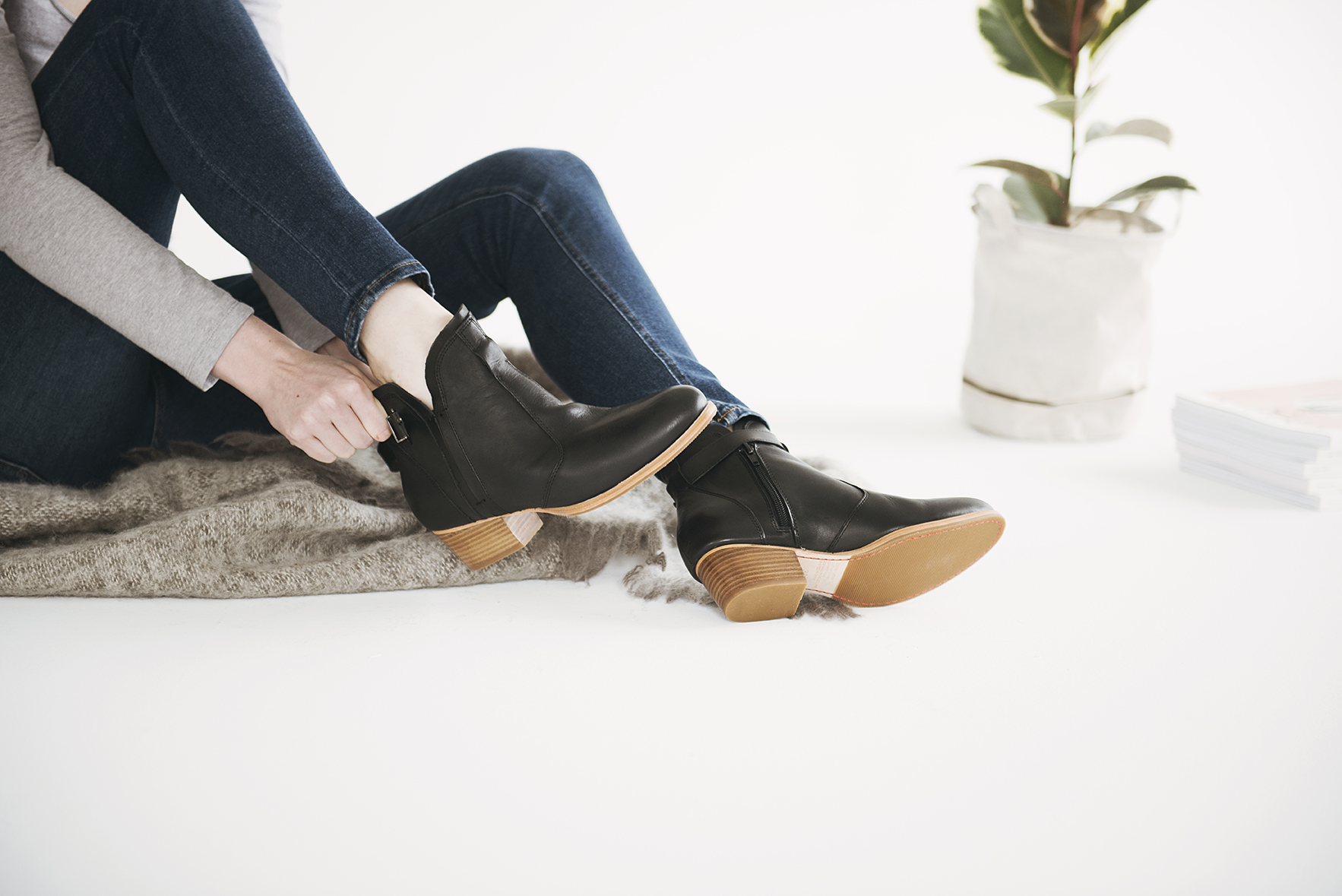
It is easy to neglect your feet during the winter months. As the old saying goes ‘out of sight, out of mind’. This time of year presents unique challenges for your feet. Looking after them now will ensure they are in tip top condition by the time spring rolls around.
Here are my top tips for keeping your feet healthy this winter:
Alternating footwear each day during winter will allow shoes ample time to ‘air out’ between wears. The added warmth from closed shoes and warm socks may cause your feet to sweat, increasing the risk of infections such as tinea. It is important to wear appropriate footwear that will keep your feet warm, dry and comfortable. As you may wear thicker socks in winter, ensure shoes and boots fit comfortably and are not too tight. Choose shoes with a thicker sole that have adequate grip as this will help your feet stay dry during the rain and remain stable on slippery surfaces.
If you have never experienced chilblains before, lucky you! For the rest of us who have suffered from them you will know that they are painful, red, itchy swellings that develop on the tips of your toes. They occur due to an abnormal reaction to the cold and are common in people who have poor circulation. Chilblains can be exacerbated by abrupt changes in temperature, such as a hot shower or bath. Safely keep your feet warm by using woollen socks or an extra blanket over your feet. Moving your body gets your blood pumping all the way down to your feet and is a great way to keep warm and prevent chillblains, so don’t forget to keep exercising! Avoid using a wheat bag, hot water bottle or electric blanket directly on your feet and ensure your bath and shower water is not too hot.
As your feet are inside shoes and socks most of the time there’s no need to wear nail polish on your toenails during winter. Using nail polish continually increases the risk of developing a fungal infection. It is best to give your toenails a breather and allow them to rest and repair during the winter months.
For more tips on how to look after your feet this winter, check out our blog post on Chief Active. If you have any concerns regarding your feet please contact us directly to schedule an appointment. We are more than happy to help!
Michelle